Contact us
|
Whatsapp
Whatsapp:+86 13889850231
Whatsapp:+86 13889850231

Modern construction projects increasingly require building materials with improved durability, crack resistance and long-term performance.
Traditional concrete has high compressive strength but relatively limited tensile strength and crack resistance. During service life, concrete structures may experience cracking caused by:
To improve the performance of cement-based materials, various reinforcing materials are used.
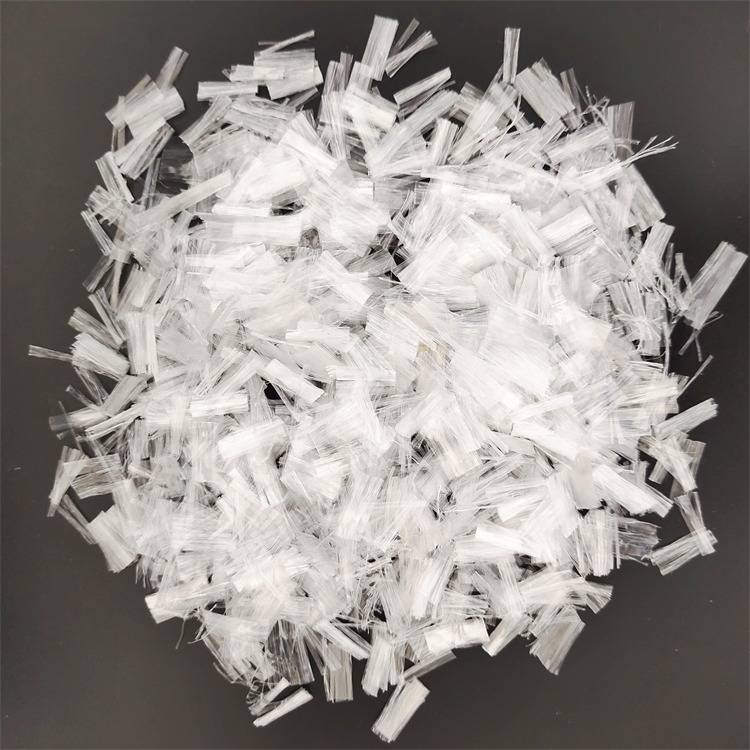
Among them, Polyvinyl Alcohol Fiber (PVA Fiber) is a synthetic fiber widely applied in concrete and mortar reinforcement systems.
PVA Fiber is designed to provide crack control and improve the toughness of cement-based materials. It is commonly used in construction applications where improved durability and resistance to cracking are required.
Polyvinyl Alcohol Fiber, commonly known as PVA Fiber, is a synthetic fiber produced from polyvinyl alcohol polymer.
Unlike ordinary chemical additives, PVA Fiber works as a physical reinforcement material inside cement-based systems.
After being mixed into concrete or mortar, the fibers are distributed throughout the matrix and can help control the development and expansion of cracks.
The main characteristics of PVA Fiber include:
Because of these characteristics, PVA Fiber has become an important material for fiber reinforced concrete and advanced construction applications.
Concrete is one of the most widely used construction materials worldwide.
However, concrete has certain limitations:
When concrete dries or experiences temperature changes, internal stress may develop.
Without reinforcement, small cracks may gradually expand.
Adding fibers can help distribute stress more evenly throughout the material.
PVA Fiber does not replace traditional reinforcement such as steel bars in structural design, but it can be used as a supplementary reinforcement material for improving crack control and material performance.
PVA Fiber contributes to cement-based materials through several mechanisms.
One of the main purposes of adding PVA Fiber is controlling crack formation.
The fibers are distributed throughout the concrete matrix and can help limit the growth of microcracks.
This is especially important for applications exposed to:
Compared with plain concrete, fiber reinforced concrete can show improved resistance to cracking and deformation.
PVA Fiber helps create a more stable internal structure by bridging cracks.
By controlling crack development, PVA Fiber can contribute to improved durability of cement-based materials.
Reduced crack width can help limit the penetration of external substances into the concrete structure.
PVA Fiber is used in various engineering materials and construction applications.
PVA Fiber can be incorporated into concrete mixtures to improve crack control and toughness.
Typical applications include:
PVA Fiber can also be used in cement-based mortar systems.
Applications may include:
The fiber helps improve the resistance of mortar against cracking during drying and service.
Underground structures often face complex environmental conditions.
PVA Fiber may be considered in cement-based materials used for:
For precast applications, material consistency and crack control are important.
PVA Fiber can be used as part of the material design for selected precast concrete products.
Different types of fibers have different characteristics.
Typical characteristics:
Commonly considered for:
PP Fiber is another commonly used synthetic fiber.
Typical characteristics:
It is often used in general crack control applications.
Steel Fiber provides high mechanical reinforcement.
It is commonly used where higher structural reinforcement requirements exist.
The suitable fiber type depends on:
Performance objectives
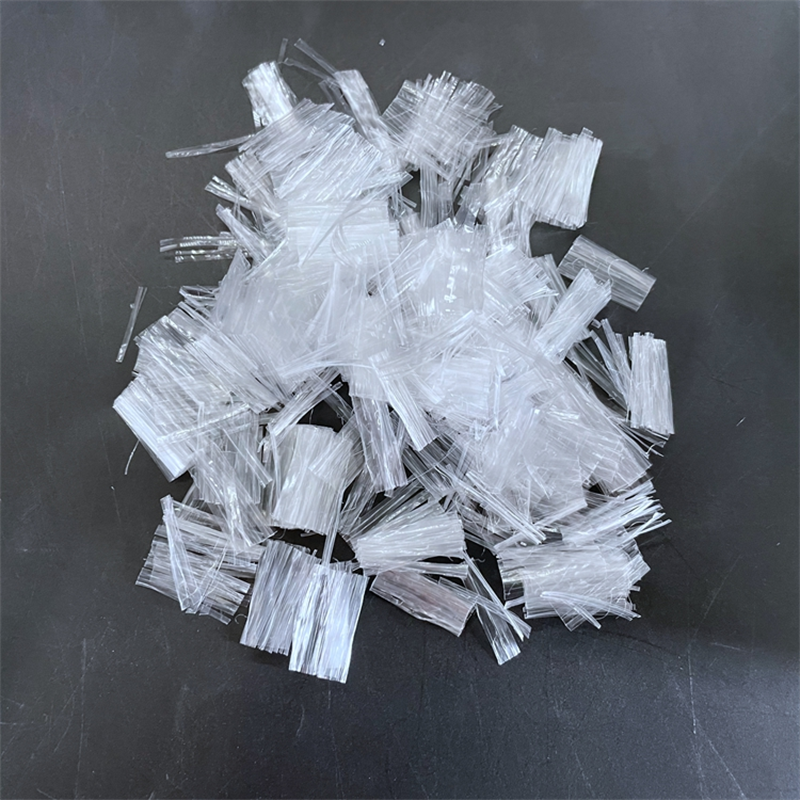
When purchasing PVA Fiber, customers usually evaluate several technical parameters.
Fiber length affects:
Different applications may require different fiber lengths.
Fiber diameter influences:
Tensile strength is an important parameter related to fiber performance.
Higher tensile strength fibers may be selected for applications requiring stronger crack bridging capability.
Elastic modulus describes the deformation behavior of the fiber.
It is one of the factors considered when designing fiber reinforced materials.
Construction materials are complex systems.
The final performance of fiber reinforced concrete depends on:
Therefore, laboratory testing and trial mixing are recommended before large-scale application.
Typical evaluation may include:
For engineering material projects, supplier selection involves more than product price.
Important factors include:
Consistent product quality helps maintain stable construction material performance.
Professional suppliers should provide relevant documents such as:
For engineering projects, stable delivery is important.
Customers should consider:
A supplier who understands the application requirements can provide more effective support.
For international construction material supply, packaging plays an important role.
Before ordering PVA Fiber, customers should confirm:
Proper packaging helps protect product quality during transportation and storage.
With increasing requirements for construction durability and service life, fiber reinforced materials are becoming more widely used.
PVA Fiber provides construction engineers and material manufacturers with an option for improving:
The selection of fiber type and dosage should always be based on specific project requirements and testing results.
PVA Fiber (Polyvinyl Alcohol Fiber) is a synthetic fiber used in cement-based materials to improve crack control and reinforcement performance.
PVA Fiber is generally used as a supplementary reinforcement material and does not replace structural steel reinforcement unless specifically designed and approved for that application.
PVA Fiber can be used in concrete, mortar, precast products, repair materials and other cement-based construction applications.
Important factors include fiber length, diameter, tensile strength, quality consistency, packaging and supplier capability.
Because construction material performance depends on the complete formulation and application conditions, testing helps confirm suitability before large-scale use.
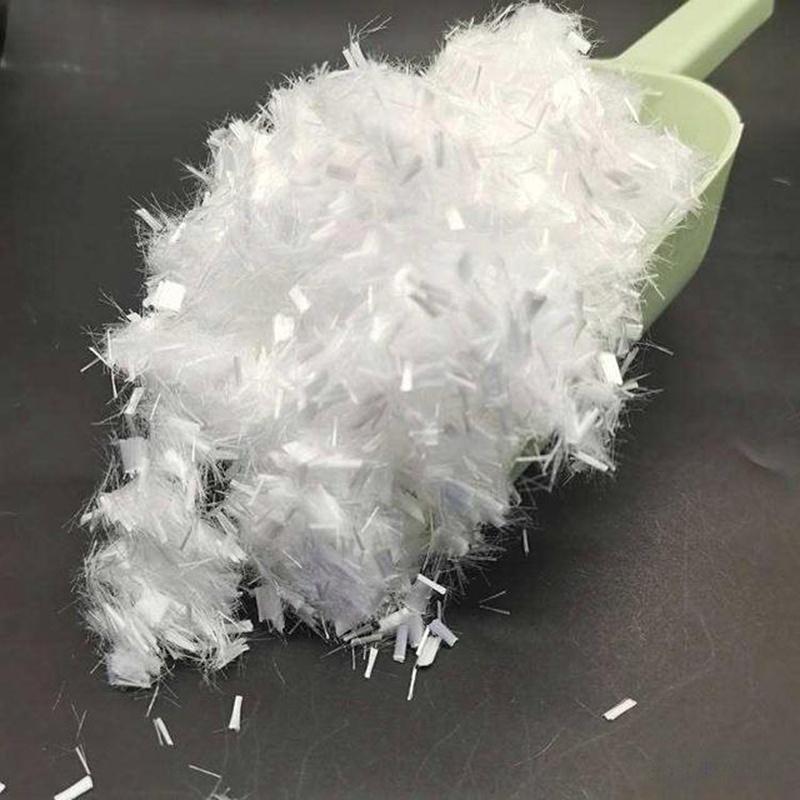
Polyvinyl Alcohol Fiber (PVA Fiber) is an important reinforcement material for modern cement-based construction applications.
By improving crack control and material toughness, PVA Fiber can support the development of more durable concrete and mortar systems.
For construction material manufacturers and engineering projects, selecting the right fiber type, technical specification and reliable supplier is essential.
Shenyang Xingzhenghe Chemical Co., Ltd. supplies PVA Fiber and related construction materials with technical documents, samples and export support according to customer requirements.
Product selection should be evaluated according to specific project conditions and application requirements.
Consultation Hotline:
+86 13889850231
Email:sales01@xzhch.com
Address:No.33, Nan'er Road, Heping District, Shenyang, Liaoning Province
Copyright © 2002-2025 非商用版本 Registration:Liaoning ICP record