Contact us
|
Whatsapp
Whatsapp:+86 13889850231
Whatsapp:+86 13889850231

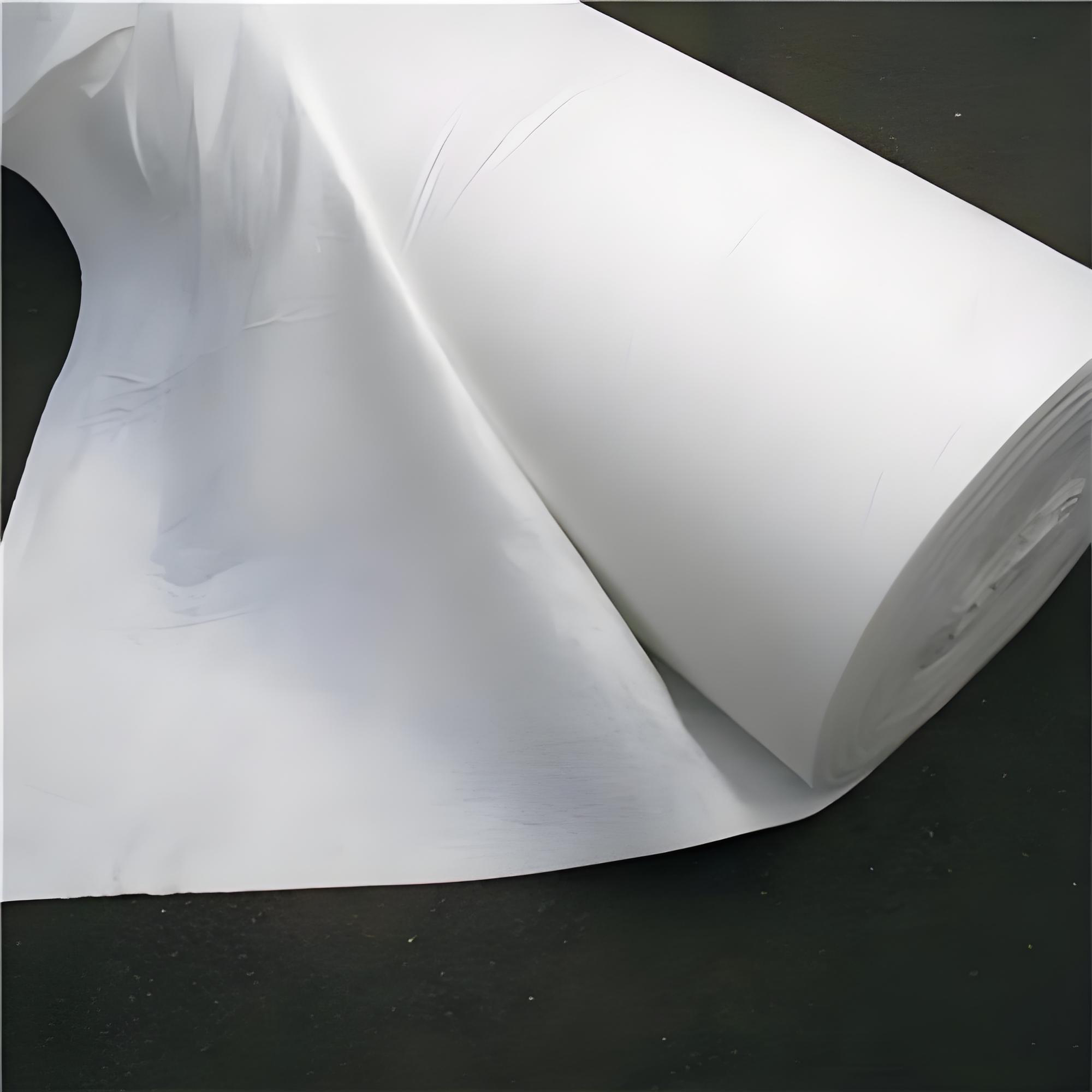
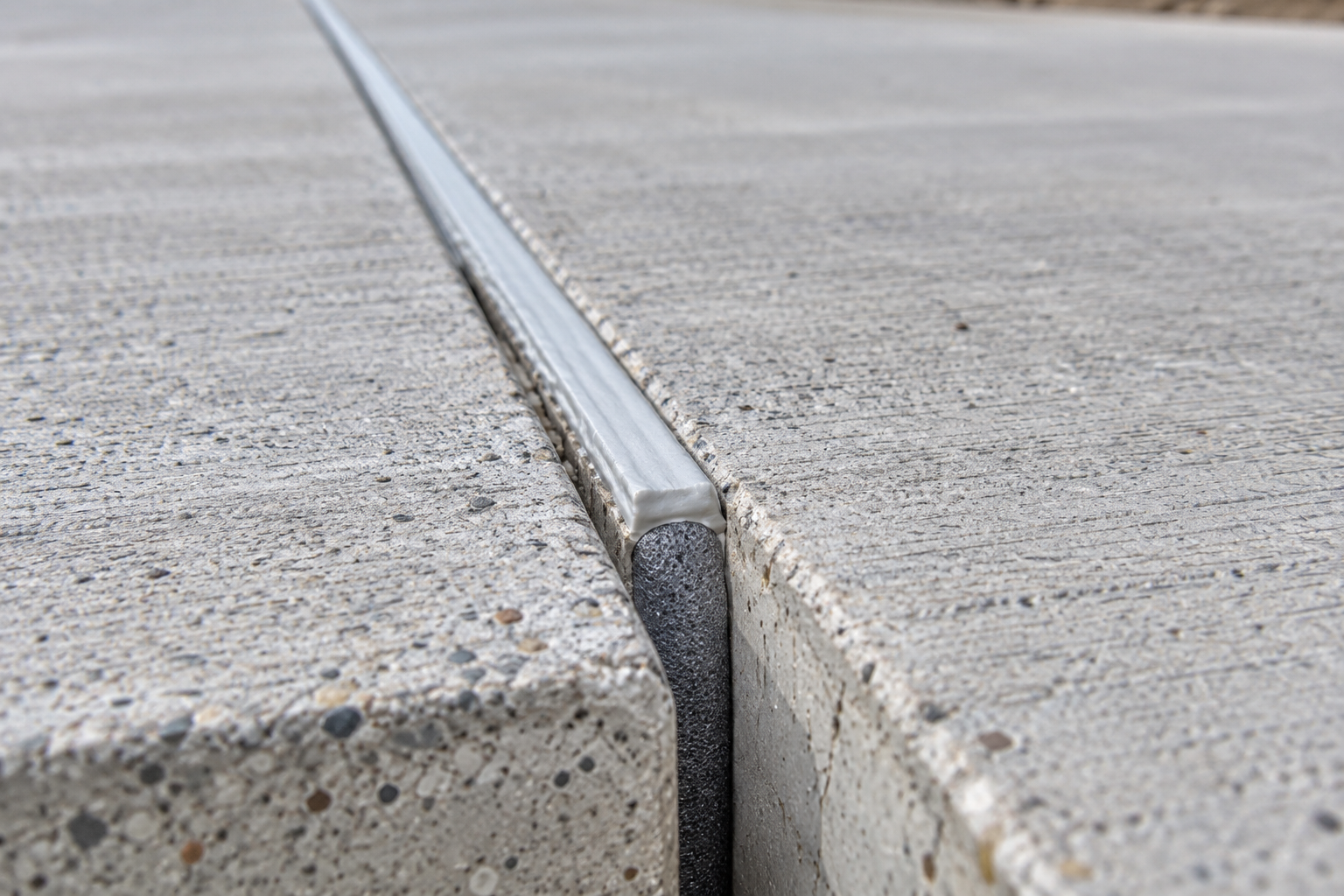
Concrete expansion joints are designed to accommodate movement between adjacent sections. The material placed in the joint needs to match the project detail and intended function. Polyethylene foam sheet is one material that may be specified as a joint filler in suitable construction applications.
Selecting a product by material name alone can leave important questions unanswered. Joint width, sheet thickness, exposure conditions and compatibility with adjacent materials all need to be reviewed before ordering. This guide explains what project teams can confirm when specifying polyethylene foam expansion joint filler for concrete.
Polyethylene foam is a lightweight polymer foam supplied in sheets or fabricated forms. Depending on the product and project design, it may be used as a compressible filler between concrete sections.
Its role should be clearly stated in the project documents. A joint filler occupies space in the joint and may accommodate compression as the concrete sections move. It should not automatically be treated as a waterstop or as a substitute for a separate waterproofing detail. If the joint must control water ingress, the project design should specify the required system and components.
Before selecting a polyethylene foam sheet, review the drawings and identify the joint where it will be installed. A product specified for one joint detail may not suit another.
Confirm:
These details help define the product requirements and reduce uncertainty during procurement.
The filler thickness should be checked against the specified joint width and installation detail. Do not assume that a thicker sheet is automatically more suitable. The selected dimension should match the project design and the intended fit within the joint.
Also confirm the required sheet length, width, cut shape and whether pre-cut pieces are needed. For larger projects, it can be useful to provide drawings or a joint schedule so the supplier can review the required dimensions before production or shipment.
Polyethylene foam products can differ in structure and physical properties. When comparing options, request the product information needed by the project, such as:
Only compare products using data that applies to the specific grade being offered. Values from a general product description should not be assumed to apply to every sheet or fabricated piece.
The intended use and surrounding environment can affect product selection. Check whether the joint filler will be exposed to sunlight before installation, contact other materials, or encounter conditions that are addressed in the project specifications.
If the product will be exposed outdoors during storage or installation, confirm the manufacturer’s storage and handling guidance. If compatibility with a sealant, coating or adjacent material is required, have that combination reviewed before the work begins.
Some joint designs include more than one component. For example, a filler may occupy part of the joint while a sealant is applied near the surface. Other projects may require a separate water-control component.
These materials perform different functions, so the intended arrangement should be shown in the drawings or approved detail. Before ordering, confirm:
This coordination helps avoid ordering a joint filler that does not match the complete joint assembly.

Before installation, compare the delivered product with the approved submittal and project requirements. Check the dimensions, quantity, visible condition and identification of the supplied material.
During placement, follow the project drawings and installation instructions. The filler should be positioned as specified and protected from damage or displacement during subsequent work. If the site detail differs from the approved drawing, the responsible project representative should review it before the crew proceeds.
A clear inquiry helps suppliers respond with relevant product options. Include:
If some details are still being finalized, identify them as pending rather than assuming a standard size or grade.
No. A foam sheet may be used as a joint filler when specified, while a waterstop is a separate component designed for a water-control detail. The project documents should state which functions are required.
The required thickness depends on the project detail and joint dimensions. Confirm it against the drawings and product requirements before ordering.
Confirm the application, joint dimensions, product grade, required documents, quantity and delivery details. For project-specific dimensions, share the drawings or joint schedule with the supplier for review.
Polyethylene foam expansion joint filler can be considered for concrete applications when it matches the project detail and intended function. Before ordering, confirm the joint dimensions, product grade, required documents and coordination with sealant or waterproofing components.
A clear specification helps the project team compare offers and verify that the supplied material matches the approved requirements.
Consultation Hotline:
+86 13889850231
Email:sales01@xzhch.com
Address:No.33, Nan'er Road, Heping District, Shenyang, Liaoning Province
Copyright © 2002-2025 非商用版本 Registration:Liaoning ICP record