Contact us
|
Whatsapp
Whatsapp:+86 13889850231
Whatsapp:+86 13889850231

Concrete has high compressive strength, but it can be vulnerable to cracking under shrinkage, impact, tensile stress and repeated loading. Adding fibers to concrete is a practical way to improve crack control, toughness and durability in suitable applications.
Steel fiber and polypropylene fiber are two widely used reinforcement materials. Although both can be added to concrete and mortar, they work in different ways and are selected for different project requirements.
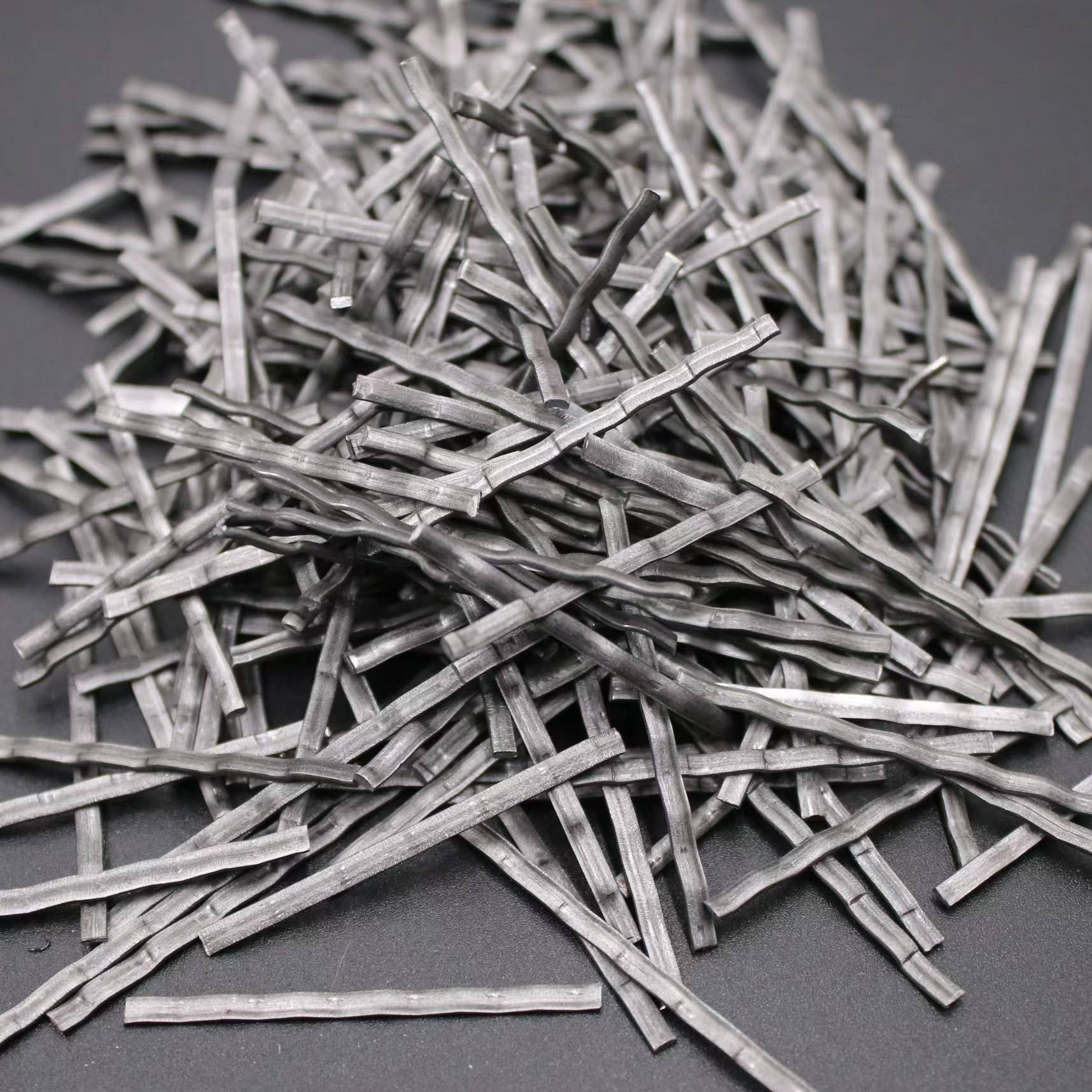
Steel fiber is a short, high-strength metallic fiber used in concrete to improve toughness, crack resistance and load-bearing performance. Depending on the project requirement, steel fibers may be straight, crimped, hooked-end or otherwise shaped to improve anchorage within the concrete matrix.
Steel fiber reinforced concrete is commonly used in applications that require higher mechanical performance, including:
Industrial floors and warehouse slabs
Roads, airport pavements and bridge decks
Tunnels, shotcrete and underground works
Precast concrete components
Hydraulic and heavy-duty engineering structures
When concrete is subjected to loading, steel fibers can help bridge cracks and reduce crack propagation. The final performance depends on fiber type, dosage, concrete strength, mix design and construction conditions.
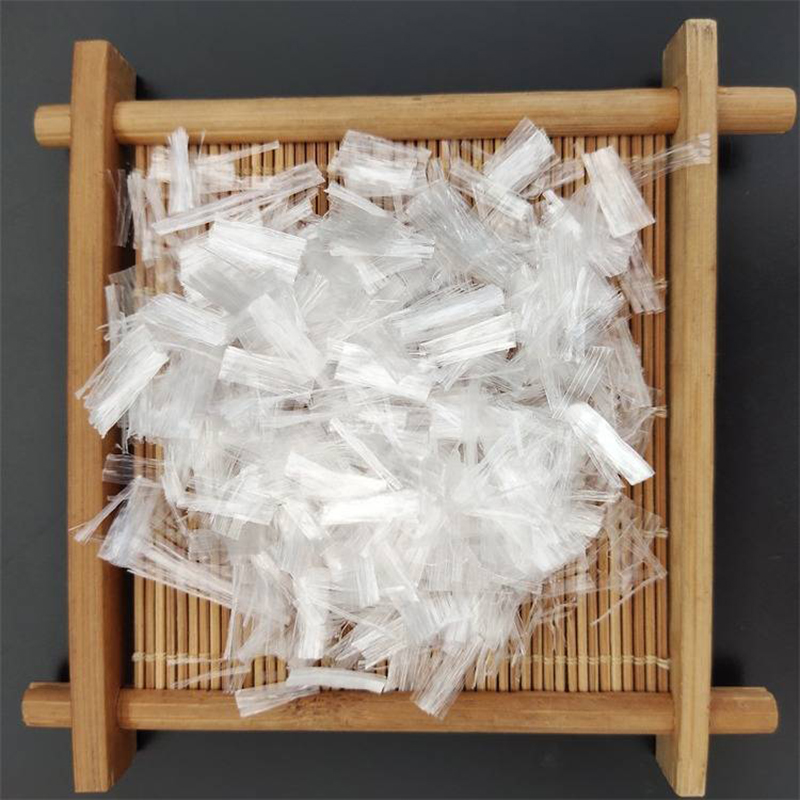
Polypropylene fiber, also known as PP fiber, is a synthetic fiber commonly used to help control early-age cracking in concrete and mortar. It is lightweight, corrosion-resistant and compatible with many cement-based systems.
PP fiber is often used in:
Concrete and mortar for plastic-shrinkage crack control
Plastering and masonry mortars
Precast concrete products
Industrial floors and pavements
Tunnel and shotcrete applications
Cement-based repair materials
Polypropylene fiber can be supplied in monofilament or fibrillated forms. The suitable type, length and dosage should be selected according to the concrete mix and the project’s required performance.
| Item | Steel Fiber | Polypropylene Fiber |
|---|---|---|
| Material | Metal fiber | Synthetic polymer fiber |
| Main purpose | Improve toughness and load-bearing performance | Help control early-age shrinkage cracking |
| Typical applications | Heavy-duty floors, tunnels, pavements, precast concrete | Mortar, slabs, repair materials, general crack-control applications |
| Corrosion resistance | Depends on the concrete environment and project design | Naturally corrosion-resistant |
| Selection focus | Fiber shape, tensile strength, dosage and anchorage | Fiber type, length, dispersion and dosage |
The best choice depends on the project’s performance requirements.
Choose steel fiber when the project requires improved toughness, impact resistance, crack-control performance under loading or enhanced performance for heavy-duty concrete structures.
Choose polypropylene fiber when the main objective is to control plastic-shrinkage cracking, improve early-age crack resistance or reinforce mortar and general cement-based materials.
In some projects, hybrid fiber systems may also be considered. Combining steel fiber and polypropylene fiber can support different performance objectives, but the mix design should always be verified through appropriate testing.
Before selecting steel fiber or PP fiber, consider the following factors:
Concrete or mortar application
Required crack-control and mechanical performance
Fiber type, length and dosage
Compatibility with the mix design and admixtures
Mixing method and fiber-dispersion requirements
Construction method and project specifications
Laboratory testing or trial batches are recommended before full-scale application.
Xingzhenghe Chemical supplies steel fiber, polypropylene fiber and related engineering construction materials for concrete reinforcement applications. We can support customers with product selection, specification confirmation, packaging options and quotation requests based on project needs.
Contact us to discuss your concrete application and required fiber specifications.
Consultation Hotline:
+86 13889850231
Email:sales01@xzhch.com
Address:No.33, Nan'er Road, Heping District, Shenyang, Liaoning Province
Copyright © 2002-2025 非商用版本 Registration:Liaoning ICP record